
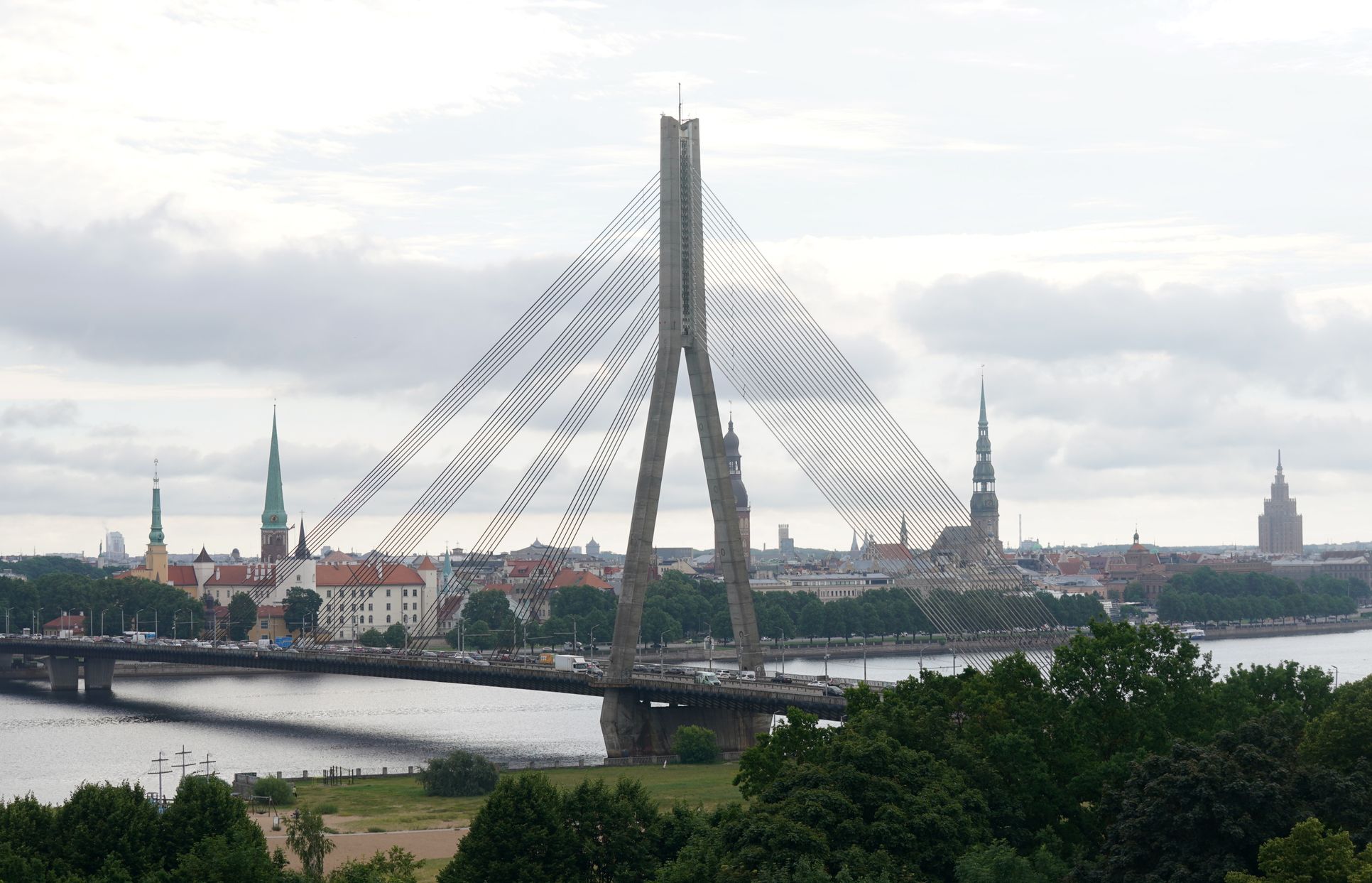
In an interview with Dienas Bizness, LaSER researcher and author of the study “Simple and Fast? The Planning and Construction Permitting Process in Riga”, Oskars Leosks explains that the challenges facing Riga’s construction permitting process cannot be resolved solely by reorganising internal administrative procedures. Meaningful improvements also require political decisions at both the municipal and national levels.
The study examines how the planning and construction permitting process affects Riga’s urban development, investment climate, and competitiveness within the Baltic region. Although the initial objective was to identify opportunities to improve the operations of Riga’s City Development Department, the analysis revealed that the underlying issues are broader and closely linked to the overall governance framework.
Riga is Latvia’s economic centre, home to approximately one-third of the country’s population and responsible for generating more than half of Latvia’s gross domestic product. As a result, efficient and predictable construction permitting processes are essential not only for the city’s development but also for the country’s long-term economic growth.
Oskars Leosks argues that Riga’s urban development continues to be shaped, to a significant extent, by the planning model inherited from the Soviet era. To strengthen its position in the Baltic region, the city must become more competitive by addressing inefficient planning and permitting procedures. Complex and lengthy approval processes discourage investment, delay project implementation, and slow the pace of urban development.
The Dienas Bizness article also highlights the study’s findings on Riga’s position in international comparisons, underscoring the need to improve urban governance and create a more efficient environment for sustainable development.
Read the full Dienas Bizness article here.
Read the LaSER study “Simple and Fast? The Planning and Construction Permitting Process in Riga” here.
Photo: LETA